Aussie Headers Are Rolling
16 November 2026
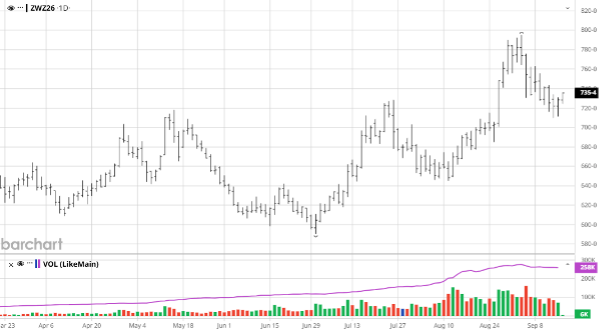
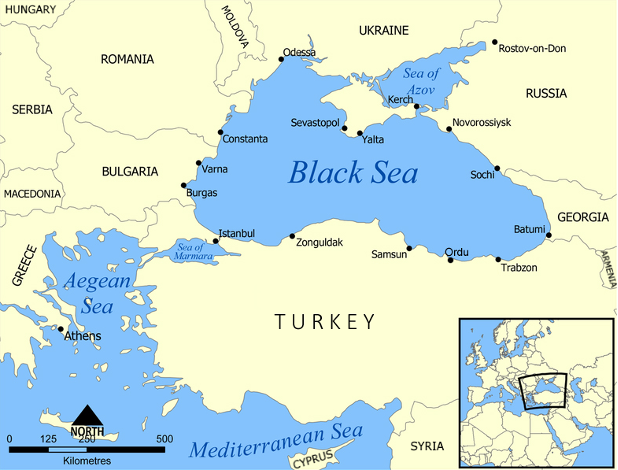
The 2026 harvest is now in full swing across most of the country. The story so far is quality, logistics and weather. Offshore futures have spent the past month under steady selling pressure, with comfortable global supplies, albeit much of it is stuck behind the Black Sea shipping bottleneck.
Making The Grade
In the south, the early SA harvest is coming in predominantly ASW, with smaller volumes of APW and higher milling grades. Bunge's receivals show around 80% of wheat delivered so far grading ASW and about 15% APW. Victoria has made limited inroads into the wheat crop, but with big yields and a soft finish the market is bracing for a similar low protein profile. On the barley side, only around a fifth of SA barley deliveries have made malt grades. In the north, screenings are the main issue, with weather damage and a dry finish in parts pushing some milling wheat down into AUH2 and HPS1. As a result, protein spreads have been widening as millers and exporters look to lock in available supplies.
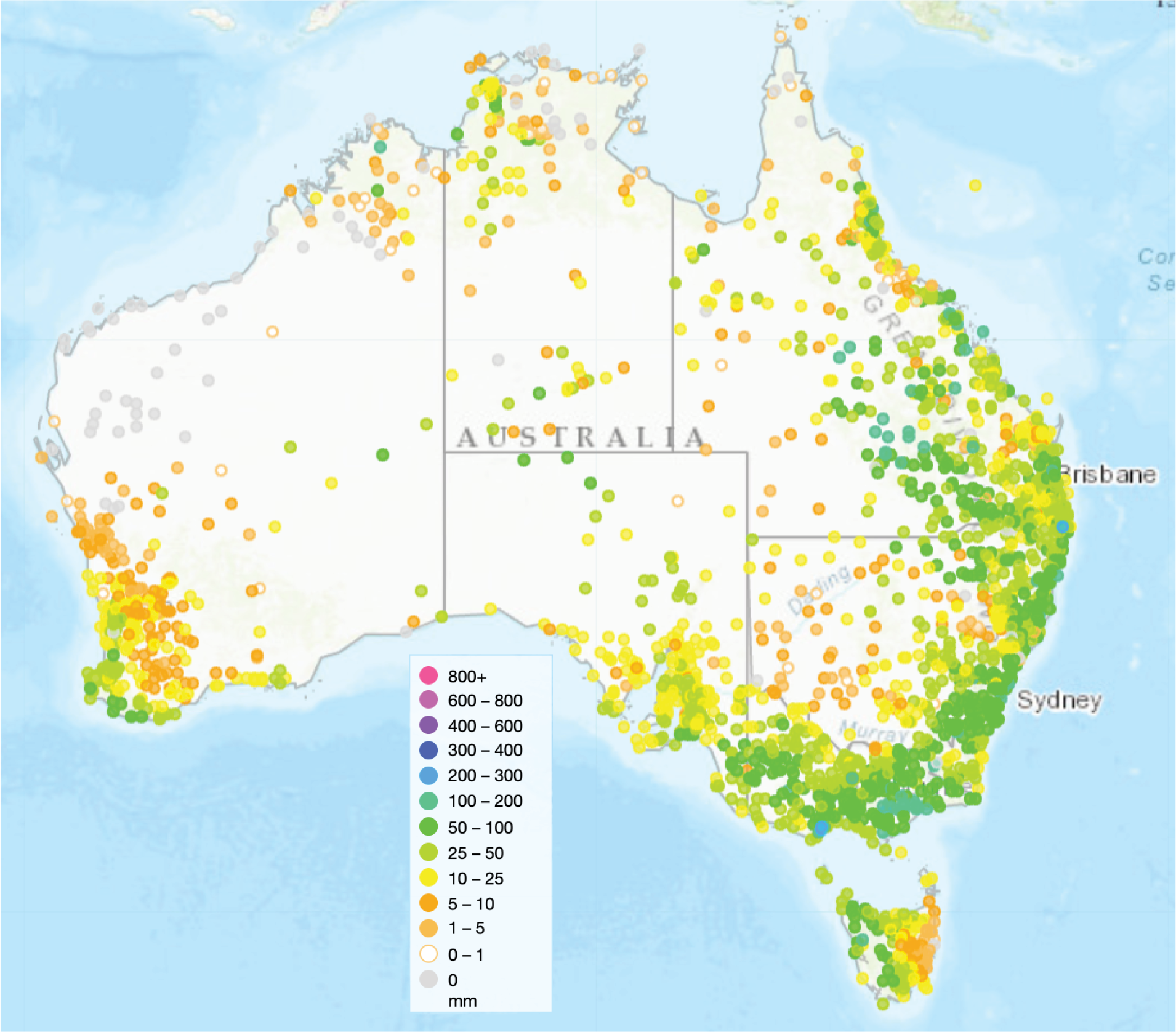
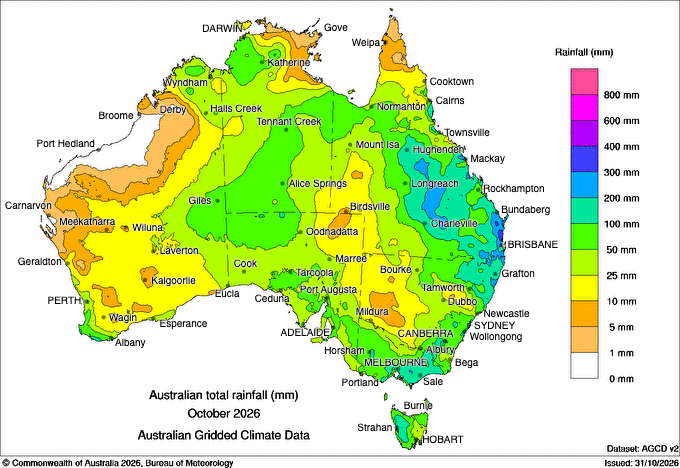
The north has had a stop start harvest, with storms interrupting headers and adding quality risk to what is left in the paddock. Similarly, in SA and Victoria, cool overcast conditions look set to continue, which will keep moisture levels high and drag out harvest.
Southern Crop Growth
This year’s crop continues to grow. SA is tipped for a record crop and Bunge receivals are building quickly on the Eyre Peninsula. GIWA has lifted WA wheat to 10.8MMT, and CBH receivals are running at almost double last year's pace, led by canola and barley, with the WA wheat harvest only just getting started. USDA raised Australian wheat 1.5MMT to 32.5MMT, along with increases to barley (18.0MMT) and canola (8.4MMT). The north remains in deficit, with wide regional spreads needed through the season to draw grain north and satisfy the ever-growing number of cattle on feed in QLD.
All Aboard
Barley was the standout of 2025/26, with record exports of 11.48MMT, up 39% on the previous season and around 95% of it going to China. That buying has continued quietly into the new season, with around 1.0MMT of barley on the November shipping stem and Chinese buyers waiting in the wings as harvest pressure grinds prices lower. USDA now has Australian barley exports at 12.0MMT for 2026/27. China has also been taking almost all of our sorghum and an increasing share of our canola, which is a bright spot for the oilseed market, particularly for GM canola growers.
Bulk wheat demand is harder to pin down. Buyers still need nearby supply but are reluctant to commit further into 2027 in case there is a resolution in the Black Sea. Offshore buyers are keen on APW and milling grades, while ASW and lower grades are more difficult to place, competing head-to-head with Argentina, Europe, the Baltics and North America at a time when global import buying has slowed, particularly across Africa and the Middle East.
World Watch & The Aussie Battler
Oil has fallen sharply this month on hopes of US/Iran de-escalation following the US midterms, easing some of the inflation pressure that had been weighing on markets. Lower crude will feed through to diesel and freight costs, albeit slowly, which will be welcome at peak harvest. The situation is far from resolved, with disruption around the Strait of Hormuz still an ongoing issue, but markets are hoping the temperature is being turned down on the conflict.
On the other conflict front, the first direct trilateral talks between Russia, Ukraine and the US since February produced a prisoner exchange but no Black Sea safe shipping agreement, and strikes continue on both sides, including on Russian Baltic ports and refineries. Expectations of a breakthrough remain low, although wheat futures have been trading as if a deal is coming.
Importantly, huge volumes of grain are sitting behind the shipping bottleneck, ready to hit the market. Russian exports are running well below normal, and even without a full peace deal, any arrangement that improves Black Sea shipping would see export flows lift quickly. Something to keep in mind for growers and grain marketers heading into 2027.
The AUD was the weakest G10 currency over the past fortnight. Hotter than expected US inflation and hawkish Fed commentary have markets pricing a December hike, pushing the US dollar back to 19-month highs. On the home front, with the RBA lifting the cash rate to its highest level since 2008, consumer sentiment is at its lowest since 2022 and NAB's business survey is showing conditions and confidence below average, things are tough out there for businesses and consumers alike.
However, the softer Aussie dollar is a positive for Australian exporters and domestic grain prices, lifting the local value of offshore prices and helping our grain compete in export markets.
The Washup
The crop is big and getting bigger, but quality is the defining feature, with a largely ASW profile widening grade spreads and keeping protein well supported. Barley is beginning to find an offshore bid and the canola program is kicking off. The weaker AUD is a tailwind for local prices, but global wheat supply remains ample and any easing of Black Sea disruption would add to that.
Good luck to everyone harvesting in the coming weeks, stay safe out there.
As always, if you need a hand marketing your grain, please give your local Advantage rep a call or call into the Sydney office on the details below.
QLD and NSW:
Jack Craig
0474 845 782
SA and VIC: David Long on
0427 012 273 or David Evans on
0437 176 280
Sydney office:
1300 245 586
Share This Article
Other articles you may like