World Agricultural Supply and Demand Report shocks market
19 May 2026
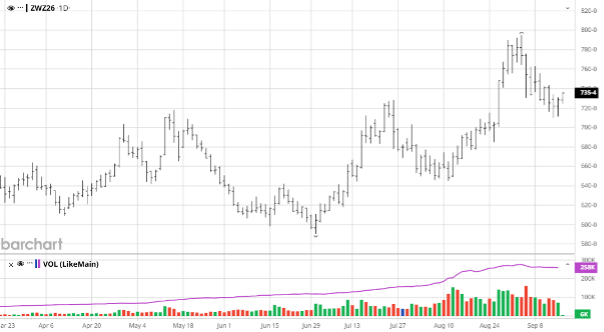
On May 12th the WASDE report surprised the market with the size of their cut to the US wheat crop. They went on to make production cuts in several other key global producing countries. The Middle East conflict continues to grind on. Locally, rain relief is seen for the East and South of Australia.
WASDE
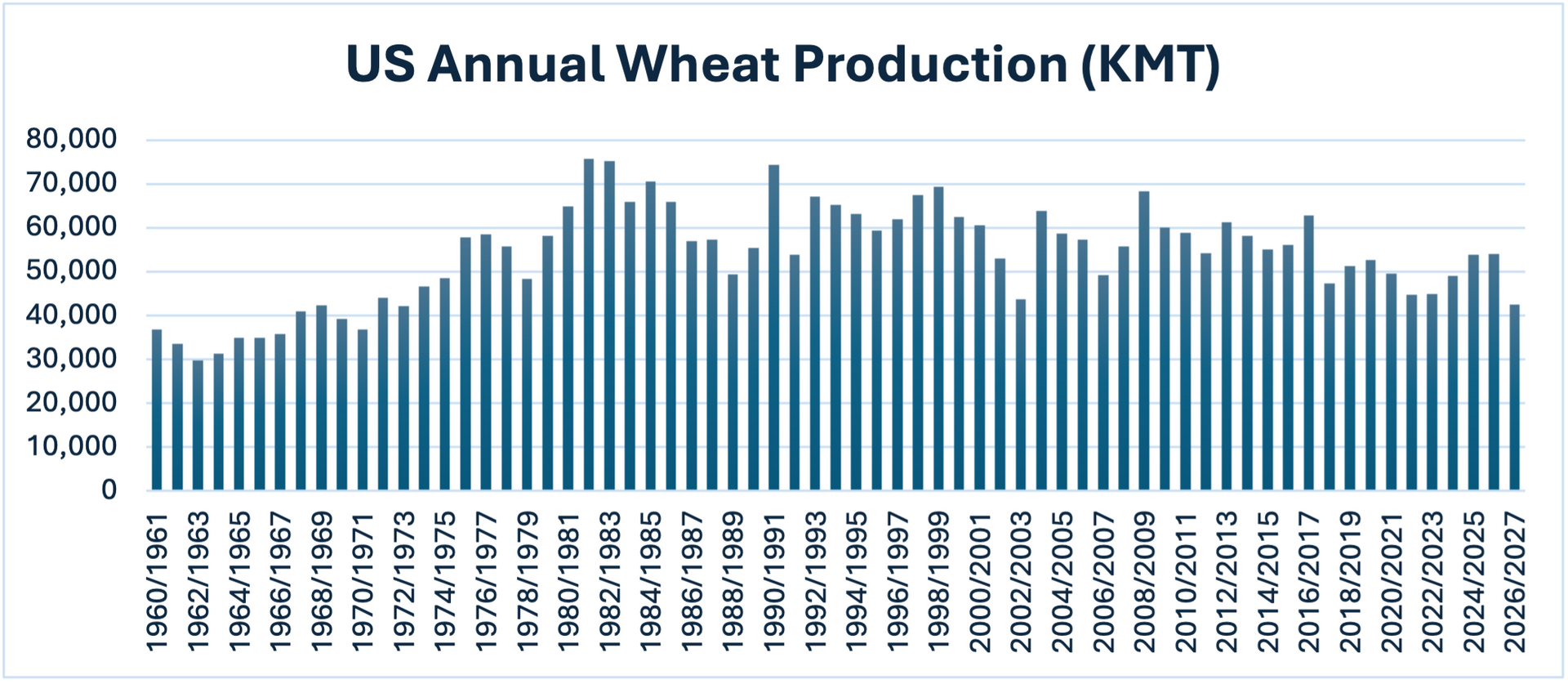
The May WASDE delivered the most bullish US wheat balance sheet since the 2022/23 season. Both yield and harvested acres were cut more than expected by the department. In total, US wheat production was decreased by nearly 12 million metric tonne (MMT) year over year. This was due to a combination of factors including, drought, frost damage, higher input costs and abandonment. Overall, the lowest production since 1970. There were also production decreases in several other large producing nations across the globe. Overall, it was a decidedly bullish report for wheat markets.
Middle East Conflict
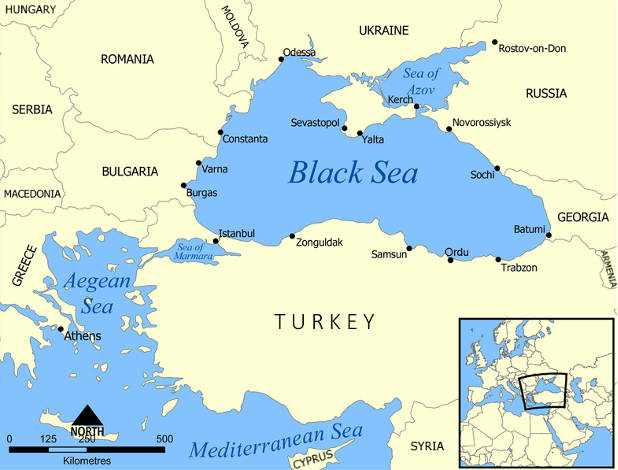
President Trump was hosted by President Xi for a two day summit over May 14 – 15. The market had been hoping for a more decisive action on the Iran conflict and re-opening the Strait of Hormuz. However, this was not to be. Both parties agreed the Strait should be open but there was little in the way of concrete commitments. Global markets reacted negatively as the outlook for a solution to the conflict lengthened and along with it the outlook for inflation. Stock markets were down and bond yields moved higher. The impact for growers is global. High fertiliser and diesel costs combined with higher finance costs is taking a toll. It increases the cost of production that grain producers all over the world are feeling. The longer the conflict goes and input prices stay high – the more of a negative impact it will have on global production.
Australia gets needed rainfall
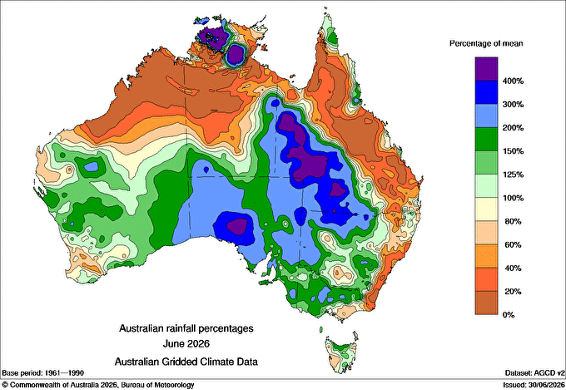
Over the weekend of the May 16th both South Australia and Victoria received good rainfall. This was particularly well received in the Mallee regions of both states which have suffered through drought on and off for two years. SA now has the best set up in three years. It has been a tough run for producers in these regions, and we are pleased to see them getting beneficial rainfall.
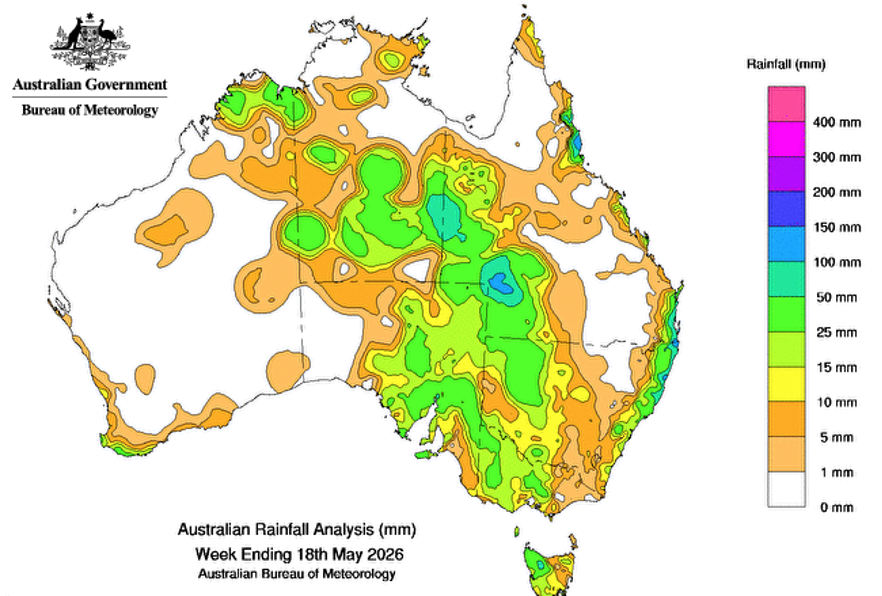
Source: bom.gov.au
The same pattern is now flowing through New South Wales and Queensland. Over the last 10 weeks, northern feed grain markets in Southern Queensland have rallied strongly in response to the dry weather. Northern NSW is also extremely dry and is desperate to see this rainfall.
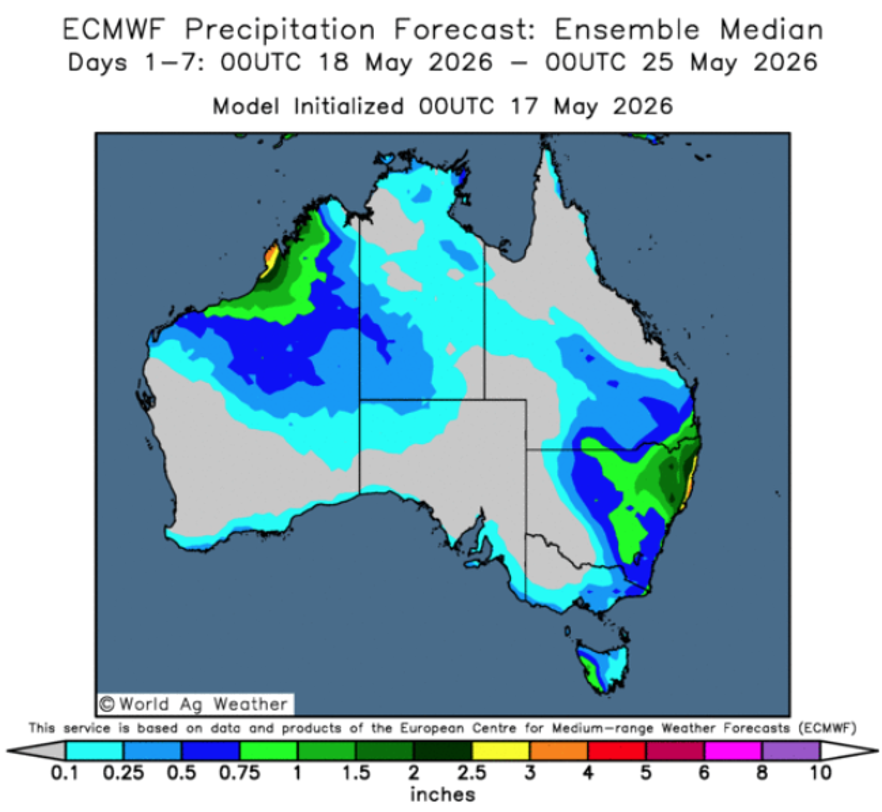
Source: World Ag Weather
Conclusion
Global markets have improved since our last harvest here in Australia. The Middle East conflict has increased the cost of major inputs such as fertiliser and diesel, putting financial pressure on producers. With last week’s WASDE report; we now have evidence that this is negatively impacting production of wheat on a global scale. The longer the conflict continues the greater the impact will be on global grain markets. At home in Australia, we would like to see this week’s rain event outperform for producers in New South Wales and Queensland.
Share This Article
Other articles you may like